A little reason to celebrate
World Bee Day
Animal · Nature · May 20
An international day, marked in the United States too, for bees of all kinds, from honey bees and bumble bees to the quiet solitary bees in your yard.
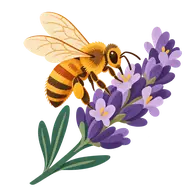
A little reason to celebrate
Animal · Nature · May 20
An international day, marked in the United States too, for bees of all kinds, from honey bees and bumble bees to the quiet solitary bees in your yard.
World Bee Day falls on Thursday, May 20, 2027. That is 205 days away.
Most people picture a honey bee when they hear the word bee, but that striped worker is one of many. There are bumble bees, carpenter bees, mason bees, sweat bees and plenty of others, and this international day, marked in the United States too, makes room for all of them.
Bees feed on nectar and pollen from flowers. As they move from bloom to bloom, pollen sticks to their fuzzy bodies and rubs off on the next flower, which helps many plants make fruit and seeds. Honey bees and bumble bees pack pollen into tidy loads on their hind legs, the yellow or orange clumps you can sometimes spot from a polite distance.
Honey bees live in large colonies and store honey in wax comb. Bumble bees form smaller colonies. Many other bees live alone. A solitary bee builds its own nest in bare ground, a hollow stem or a hole in old wood, and raises its young without any help from a hive.
The easiest way to mark the day is to watch. Find a patch of flowers on a warm afternoon, stand still and see who shows up. Bees are usually busy with their work and uninterested in people, so give them space and let them get on with it.
Gardeners help by planting flowers that bloom at different times of year, leaving a few dead stems standing and keeping a corner of soil bare and undisturbed. A shallow dish of water with pebbles in it gives a thirsty bee somewhere to land and sip.
| Year | Date |
|---|---|
| 2026 | Wednesday, May 20 |
| 2027 | Thursday, May 20 |
| 2028 | Saturday, May 20 |
| 2029 | Sunday, May 20 |
| 2030 | Monday, May 20 |
Categories: Animal daysNature days